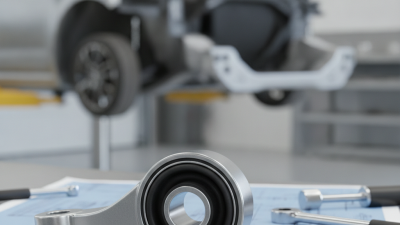
When you're thinking about keeping your vehicle running smoothly, picking the right Suspension Arm Bushing is pretty important. John Smith, who's a well-known expert at the Auto Parts Institute, mentions, "Good quality suspension parts can really make a difference in how your car handles and feels on the road." So, yeah, choosing the right bushings isn’t just a small detail — it actually affects performance a lot.
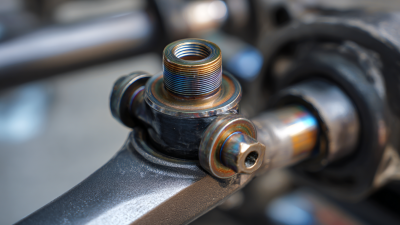
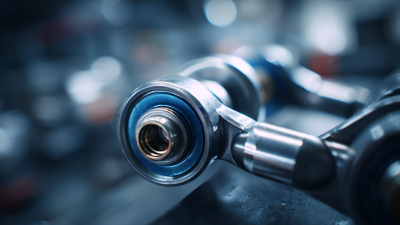
Suspension Arm Bushings are kind of like the unsung heroes of your car—they handle shock absorption and smooth out vibrations, helping give you that comfy ride. But here’s the thing: not all bushings are made alike. The materials used and how they’re designed really matter. If you go for cheap or low-quality options, you might end up causing extra wear on other suspension parts, which can end up costing you a lot in repairs later on.
It’s definitely worth doing some homework before making a choice. Know what your car specifically needs, and don’t hesitate to ask professionals for advice. Sometimes, the little details—like how hard or soft the bushing is—can make a difference in how long it lasts and how well it performs. Picking the right Suspension Arm Bushing isn’t just a quick decision; it’s a choice that benefits from careful thought and some know-how.
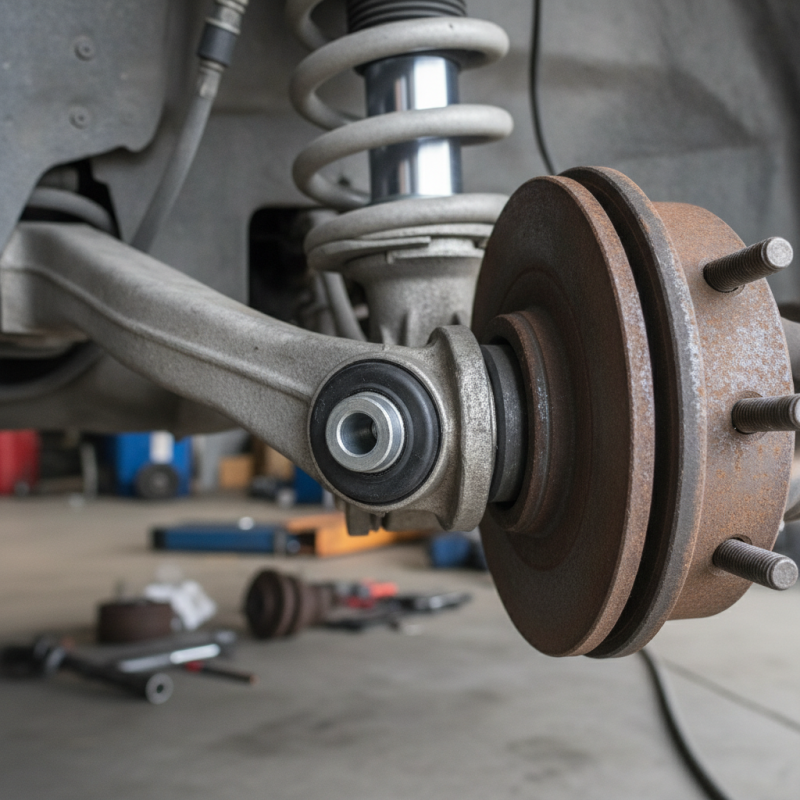
Understanding Suspension Arm Bushings and Their Role in Vehicle Dynamics
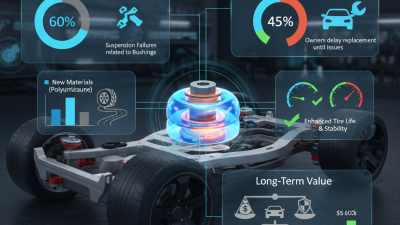
Suspension arm bushings play a crucial role in vehicle dynamics. They help absorb road shocks and maintain alignment. A vehicle's suspension system relies on these components for stability and comfort. According to industry reports, worn bushings can lead to a 30% increase in tire wear and reduced handling performance.
When selecting bushings, consider the material. Common options include rubber, polyurethane, and metal. Each material offers different levels of durability and performance. For example, polyurethane bushings provide better rigidity, improving responsiveness but might transmit more road noise. Rubber, on the other hand, is quieter and offers a softer ride but may wear out faster.
It’s essential to assess your driving style and vehicle use. Off-road conditions can accelerate bushing degradation. Regular inspections can reveal signs of wear. Cracks and tears indicate it’s time for a replacement. Neglecting this can result in decreased safety and increased repair costs. Understanding the role of suspension arm bushings helps make informed decisions for maintaining optimal vehicle performance.
Key Factors to Consider When Selecting Suspension Arm Bushings
When selecting suspension arm bushings for your vehicle, several key factors come into play. One critical aspect is material choice. Rubber, polyurethane, and other composites are commonly used. According to a 2022 industry report, polyurethane bushings offer enhanced durability and better handling compared to traditional rubber. However, rubber bushings may provide a smoother ride. Consider the unique driving conditions and preferences when making your decision.
Another factor to evaluate is compatibility with your vehicle’s suspension system. Each vehicle model has distinct specifications for bushing sizes and shapes. A mismatch can lead to compromised performance. A study in the *Automotive Engineering Journal* indicates that 30% of suspension issues can be traced back to improper bushing selection. Additionally, installation ease plays a vital role. Some bushings are easier to install than others, impacting repair time.
Lastly, consider the cost versus long-term benefits. Cheaper options may not always deliver the expected performance. A reputable analysis found that investing in high-quality bushings can enhance the lifespan of your Truck Arm Suspension system. This can lead to reduced wear on other components and save money in the long run. Balancing these factors will help ensure optimal performance and safety on the road.
How to Choose Suspension Arm Bushing for Your Vehicle? - Key Factors to Consider When Selecting Suspension Arm Bushings
| Factor | Description | Impact on Performance |
| Material | Common materials include rubber, polyurethane, and thermoplastic. | Different materials offer varying levels of comfort, durability, and noise isolation. |
| Hardness | Measured in Shore A durometer scale, indicating the stiffness of the bushing. | Harder bushings provide better handling but may transfer more road noise. |
| Fitment | Must match the vehicle's specifications for proper installation and performance. | Incorrect fit can lead to premature wear and alignment issues. |
| Brand Reputation | Consider brands known for quality and reliability in suspension parts. | Quality bushings improve safety, handling, and ride quality. |
| Price | Evaluate the cost against other factors, including performance and longevity. | Cheaper options may save money initially but could fail sooner, costing more in the long run. |
Material Choices for Suspension Arm Bushings: Rubber vs. Polyurethane
When choosing a suspension arm bushing, the material plays a crucial role. Rubber and polyurethane are the two primary options available. Each material offers unique characteristics affecting performance and durability. Rubber bushings are typically softer and absorb vibrations well. However, they may wear out faster. Over time, rubber can become brittle and lose its effectiveness, leading to reduced control and comfort.
On the other hand, polyurethane bushings offer increased stiffness and longevity. They provide better handling and responsiveness, making them popular in performance vehicles. Yet, they may transfer more road noise and vibrations to the cabin, which can lead to a harsher driving experience in some cases. It's essential to consider how you use your Suspension Control Arm when choosing between these materials.
Reflecting on these choices is vital. A softer bushing like rubber may be desirable for daily driving. For racing or off-road use, the resilience of polyurethane could be the better option. Balance comfort and performance based on your specific needs and driving style. Assessing your requirements can prevent dissatisfaction down the line.
Evaluating Compatibility of Bushings with Your Vehicle Model
When evaluating compatibility of bushings with your vehicle model, start by understanding the specifications of your suspension system. Each vehicle has unique requirements, and not all bushings are interchangeable. For instance, the size and shape of the bushing must match your vehicle’s suspension geometry. A mismatched bushing can lead to improper handling or premature wear. Pay attention to the details in your vehicle's manual.
Next, consider the material used in the bushing. Different materials affect performance and durability. Rubber bushings are common, but polyurethane offers better longevity. However, the stiffer feel might not be suitable for all driving styles. Finding the right balance is crucial. Check whether the bushings fit the Rear Upper Control Arm specifically. Aftermarket options may provide enhanced performance, yet ensure they meet your vehicle's specifications for compatibility.
Lastly, don’t overlook installation accuracy. Poor installation can negate the benefits of higher-quality bushings. Always double-check fitment, and don’t hesitate to ask for help. Seeking advice from professionals can clarify which bushings are ideal for your ride. Trust in their expertise when making your choice. Balancing cost with quality can be challenging, but informed decisions lead to better vehicle performance.
Installation Considerations for Suspension Arm Bushings
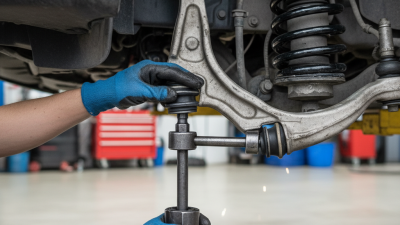
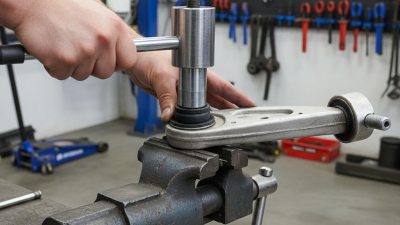
When installing suspension arm bushings, consider the vehicle's specific needs. The right bushings contribute to improved handling and ride comfort. Incorrect bushings can lead to alignment issues. Make sure to check the compatibility with your vehicle’s suspension system. This will help in avoiding potential problems.
During installation, inspect the area where the bushings will sit. Dirt and debris can affect the performance of the new bushings. Ensure the surface is clean and free of contaminants. If you're unsure about the installation process, consult a professional. Their expertise can save you time and prevent costly mistakes. Exact torque specifications are crucial. Over-tightening can damage components, while under-tightening may lead to failure. After installation, test drive the vehicle cautiously. Listen for unusual noises, and check for vibrations. Such issues may indicate improper installation. It’s essential to address these concerns promptly. Regularly inspect the bushings for wear and tear. Keeping an eye on these details will enhance the longevity of your vehicle's suspension system.
Signs Indicating the Need for Suspension Arm Bushing Replacement
When your vehicle's ride becomes bumpy, it’s time to pay attention. One common issue might be the suspension arm bushings. These small components play a huge role in maintaining ride comfort and handling. If you notice irregular tire wear, this is a significant red flag. Misalignment can occur due to worn bushings, leading to uneven tread patterns.
Another warning sign is a clunking or knocking sound when driving over bumps. This noise indicates that the bushings are deteriorating, causing increased play in the suspension components. Pay attention to changes in steering feel as well. A vague or loose steering response might hint that the bushings have lost their integrity.
Check for visible cracks or deformation on the bushings themselves. Physical damage often correlates with the performance issues you've experienced. If your vehicle sways during turns, this could signify worn bushings affecting stability. Keep an eye on these indicators. They can save you from more costly repairs later.
Maintenance Tips for Prolonging the Life of Suspension Arm Bushings
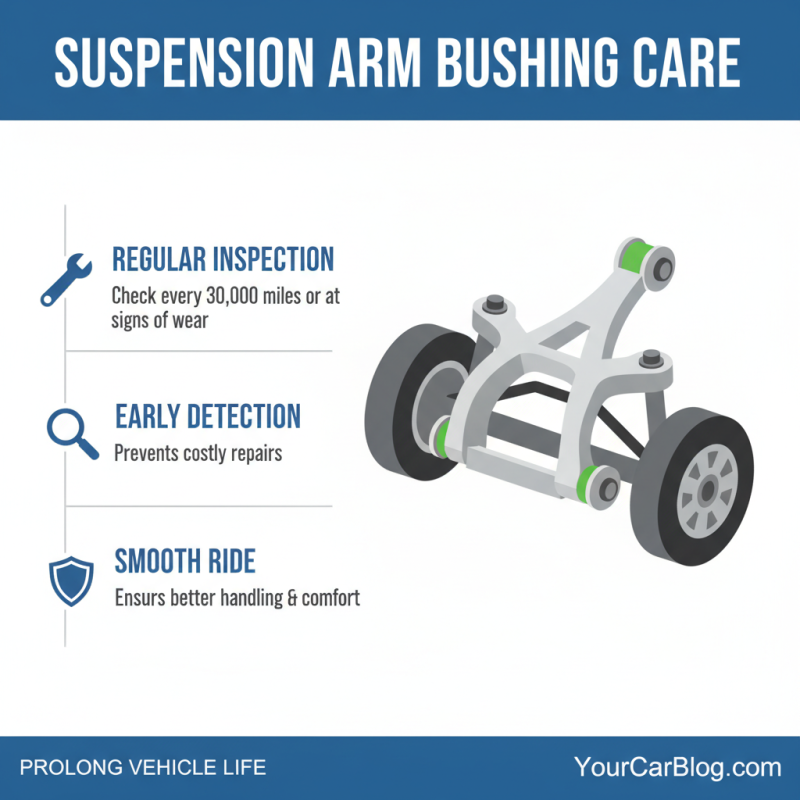
Maintaining your vehicle's suspension arm bushings is essential for a smooth ride. Regular inspections can help identify wear and tear early. Experts suggest checking bushings every 30,000 miles or whenever you notice handling issues. This proactive approach can save you from costly repairs later on.
Using appropriate tools for installation, like the Heavy Duty Pitman Arm Puller, can ensure that the bushings fit correctly. Incorrect installation can lead to premature failure and affect your vehicle's stability. In fact, a recent industry report indicated that improper installation is a leading cause of suspension system problems.
Furthermore, don't overlook lubricating your bushings. Regular lubrication minimizes friction, preventing cracks and splits. Ideally, perform this maintenance every six months. Dust and dirt can accumulate and cause wear, making it crucial to clean the area around the bushings. Keeping the suspension system free from debris can prolong its lifespan significantly.
FAQS
: Suspension arm bushings assist in absorbing road shocks and maintaining vehicle alignment. They ensure a stable, comfortable ride.
Worn bushings can increase tire wear by 30%. Neglecting them may reduce handling performance and compromise safety.
Rubber and polyurethane are popular materials. Each has unique properties affecting durability, ride comfort, and noise transmission.
Rubber bushings are quieter and absorb vibrations well. However, they wear out faster and may become brittle over time.
Polyurethane bushings offer better rigidity and responsiveness. They provide improved handling but may transmit more road noise.
Off-road driving can accelerate bushing wear. Regular inspections can help identify issues before they worsen and lead to costly repairs.
Check your vehicle's specifications and ensure the bushing size and shape match. Mismatched bushings can cause handling issues.
Yes, poor installation can negate benefits. Accurate fitment is critical for optimal performance; seek professional help if needed.
Consider your driving style. Rubber is suitable for daily driving, while polyurethane is ideal for performance or off-road use.
Reflect on your needs. Balance comfort and performance, considering long-term reliability, to avoid dissatisfaction and unnecessary costs.
Conclusion
When choosing suspension arm bushings for your vehicle, it is crucial to understand their significant role in vehicle dynamics, as they affect handling, ride comfort, and overall performance. Key factors to consider include the compatibility of bushings with your specific vehicle model, the material choice between rubber and polyurethane, and any installation requirements that may arise.
Evaluating the signs that indicate the need for suspension arm bushing replacement is also important, as worn-out bushings compromise safety and driving experience. Additionally, following maintenance tips can help prolong the lifespan of suspension arm bushings, ensuring your vehicle remains in optimal condition. By carefully analyzing these aspects, you can make an informed decision that enhances your vehicle's functionality.